
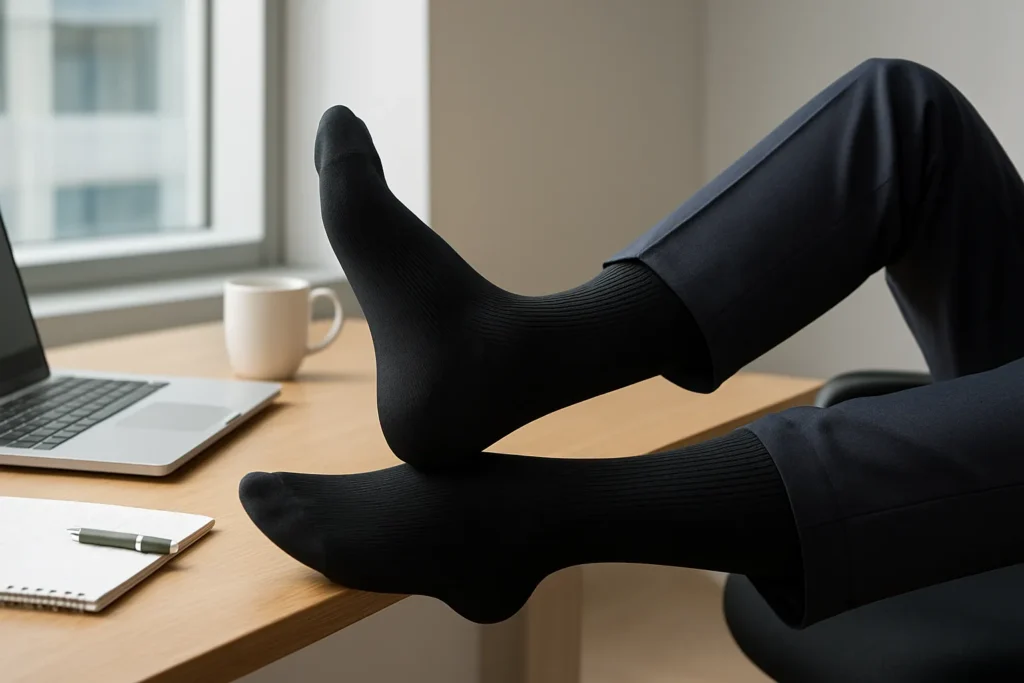
Why Compression Socks Are Key to Corporate Wellness Programs
In today’s fast-paced corporate landscape, the health and well-being of employees have become central to many organizations. Corporate wellness programs aim to foster healthy behaviors, decrease healthcare costs, and elevate employee morale. As businesses increasingly acknowledge the significance of employee health, innovative strategies and products are being integrated into these programs. One such product that has gained considerable attention is compression socks.
Compression socks are more than just a fashion statement; they are essential tools that can dramatically enhance employee health and productivity. This article delves into the role of compression socks in corporate wellness programs, emphasizing their benefits, practical applications, sourcing options, and implementation strategies.
Understanding Compression Socks
Definition and Functionality
Compression socks are specially designed hosiery that applies gentle pressure to the legs and feet. This pressure helps to maintain blood flow and alleviate discomfort and swelling. The primary function of compression socks is to enhance circulation, making them particularly advantageous for individuals who spend long hours on their feet or sitting.
Types of Compression Socks
There are various types of compression socks available, each serving distinct purposes. Graduated compression socks are the most prevalent, featuring tighter compression at the ankle that gradually decreases up the leg. Other types include knee-high, thigh-high, and full-length compression stockings, catering to various levels of compression and specific needs. Understanding these differences is crucial for businesses aiming to implement these products effectively.
Benefits of Compression Socks in the Workplace
Improved Circulation
One of the most notable benefits of compression socks is their ability to enhance circulation. Improved blood flow can help prevent conditions such as deep vein thrombosis (DVT), particularly for employees who sit for extended periods. Enhanced circulation also ensures that muscles receive adequate oxygen and nutrients, which is vital for overall health and performance.
Reduced Fatigue and Discomfort
Employees often face fatigue and discomfort due to long hours of standing or sitting. Compression socks can alleviate these issues by providing support to the muscles and minimizing swelling. This can lead to a more comfortable work environment, allowing employees to concentrate on their tasks without the distraction of discomfort.
Enhanced Productivity
When employees feel better physically, their productivity tends to increase. By incorporating compression socks into corporate wellness programs, businesses can cultivate a more invigorated workforce. Reduced fatigue and improved comfort can lead to higher engagement levels, ultimately benefiting the company’s bottom line.
Use Cases for Compression Socks
Long Hours of Sitting
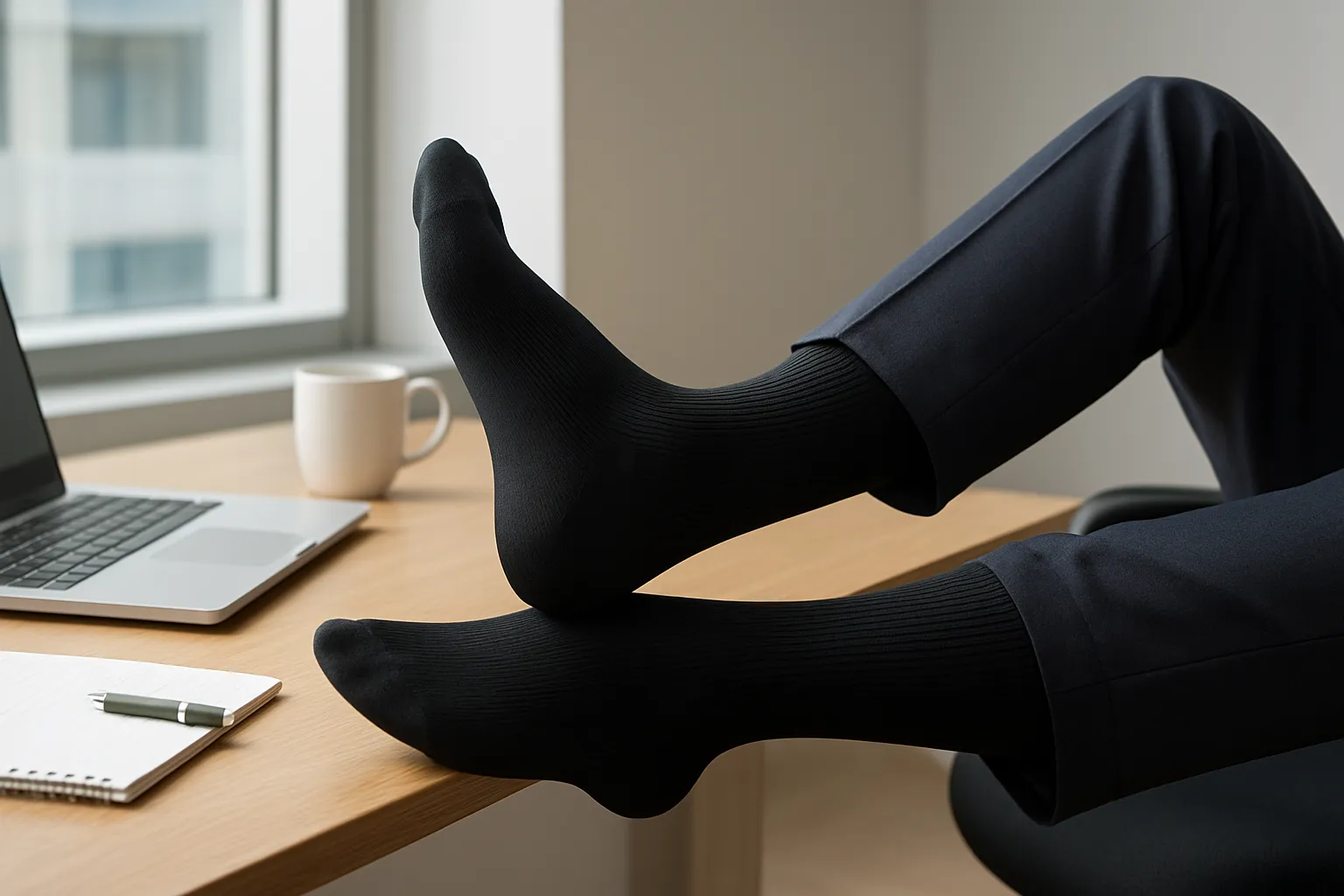
For employees who spend most of their day at a desk, compression socks can be transformative. Sitting for prolonged periods can lead to poor circulation and discomfort. By wearing compression socks, these employees can mitigate these effects, promoting better blood flow and reducing the risk of leg swelling.
Travel and Commuting
Frequent travelers and commuters can also reap the benefits of compression socks. Long flights or car rides can increase the risk of DVT and cause swollen legs. Compression socks can help counteract these issues, making travel more comfortable and reducing the risk of serious health complications.
Physical Activity and Movement
For employees engaged in physical activities, whether on the job or during breaks, compression socks provide additional support. They can help reduce muscle soreness and improve recovery times, allowing employees to remain active and healthy throughout the workday.
Sourcing Compression Socks
Criteria for Quality Compression Socks
When sourcing compression socks, businesses should consider several key criteria. The material should be breathable and moisture-wicking to ensure comfort throughout the day. Additionally, the socks should provide the appropriate level of compression, typically measured in millimeters of mercury (mmHg), to suit the needs of employees.
Wholesale Business Socks Options
For companies looking to implement compression socks on a larger scale, wholesale business socks options can offer cost-effective solutions. By purchasing in bulk, organizations can ensure that all employees have access to these beneficial products, often at a reduced price.
Evaluating Suppliers
Choosing the right supplier is vital for ensuring quality and reliability. Businesses should evaluate potential suppliers based on their reputation, product range, and customer service. Reading reviews and seeking recommendations can help identify trustworthy suppliers who offer high-quality compression socks.
Implementing Compression Socks in Corporate Wellness Programs
Strategies for Introduction
Introducing compression socks into a corporate wellness program requires a strategic approach. Companies should consider launching a pilot program to gauge employee interest and gather feedback. This can help refine the offering before a full rollout.
Employee Education and Awareness
Educating employees about the benefits of compression socks is essential for successful implementation. Workshops, informational brochures, and demonstrations can help raise awareness and encourage adoption. Employees should understand how to choose the right socks and best practices for wearing them.
Measuring Effectiveness
To determine the success of the program, companies should establish metrics for measuring effectiveness. Surveys, feedback forms, and health assessments can provide valuable insights into how compression socks are impacting employee health and productivity.
Comparing Compression Socks to Other Wellness Products
Compression Socks vs. Regular Business Socks
While regular business socks may provide comfort, they do not offer the same health benefits as compression socks. Compression socks are specifically designed to enhance circulation and reduce discomfort, making them a superior choice for employees who may experience fatigue or swelling.
Cost-Benefit Analysis
When considering the implementation of compression socks, businesses should conduct a cost-benefit analysis. The initial investment in quality compression socks can lead to long-term savings through reduced healthcare costs, increased productivity, and improved employee satisfaction.
Employee Preferences and Feedback
Gathering employee feedback on compression socks compared to other wellness products can provide valuable insights. Understanding employee preferences can help businesses tailor their wellness programs to better meet the needs of their workforce.
Frequently Asked Questions
Are Compression Socks Suitable for Everyone?
While compression socks are beneficial for many, they may not be suitable for everyone. Employees with certain medical conditions, such as severe peripheral artery disease, should consult a healthcare professional before using compression socks.
How to Choose the Right Compression Level?
The right compression level depends on individual needs and health conditions. Generally, a compression level of 15-20 mmHg is suitable for everyday use, while higher levels may be recommended for specific medical conditions. Consulting with a healthcare provider can help determine the appropriate level.
What Are the Best Practices for Wearing Compression Socks?
To maximize the benefits of compression socks, employees should wear them during work hours and while traveling. It’s also important to ensure the socks fit properly and are put on correctly. Regular washing and maintenance will help maintain their effectiveness and longevity.
Conclusion
Incorporating compression socks into corporate wellness programs is a proactive approach to improving employee health and productivity. By understanding their benefits, sourcing quality products, and educating employees, businesses can create a healthier work environment. As organizations continue to prioritize employee well-being, compression socks emerge as a simple yet effective solution that supports a thriving workforce.